
Equine-Assisted Learning · AGES 9–17
Here I Am.
Equine-assisted learning for children and teens.
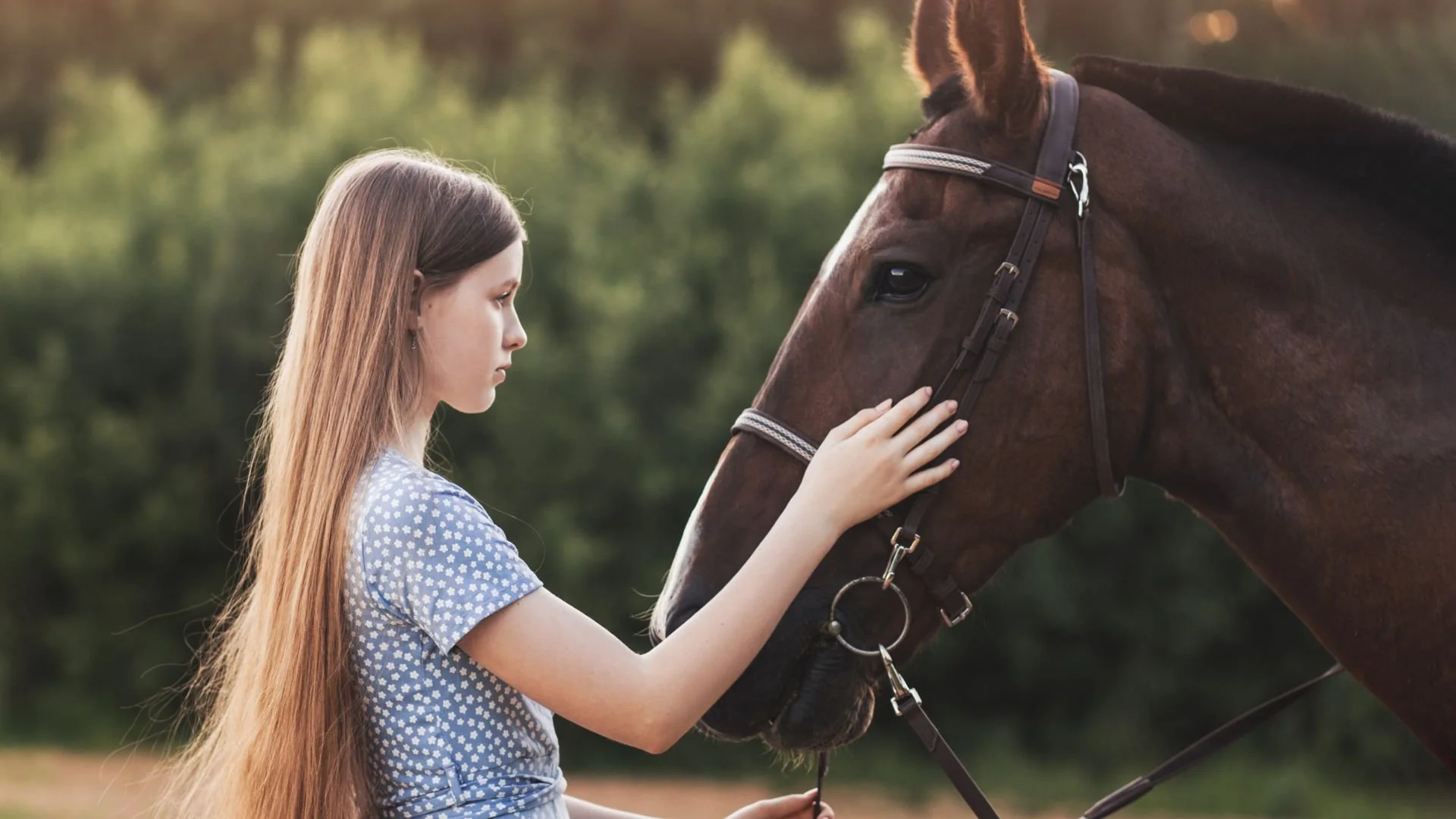
Kids don’t act out because they want to. They act out because something feels hard and they don’t yet have the tools to handle it. HERE I AM gives children and teens a safe place to slow down, feel seen and heard, and learn what they’re capable of — through real partnership with horses.
The progression of our programs is organic and principle-driven, not linear, arbitrary, or time-based.
When kids feel safe, their behavior shows it. This program helps them get there.
“When we feel safe, seen and heard, truly understood, valued and welcomed, our behaviors reflect it. I believe we all do well if we can.”
Audrey Schmidt, Dayspring Founder
IS THIS RIGHT FOR YOUR CHILD?
If any of this sounds like your child, HERE I AM may be a good fit.
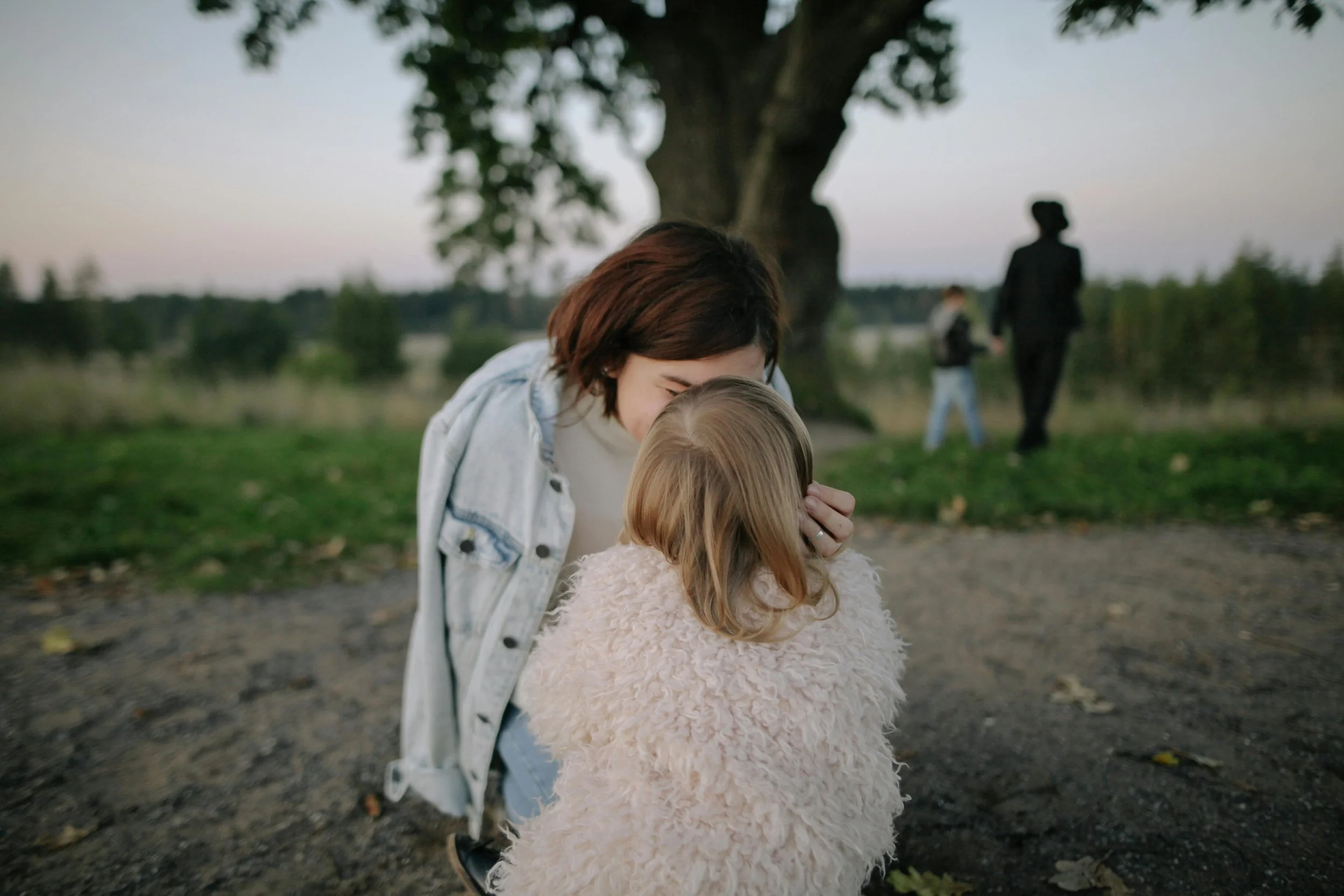
Big Feelings
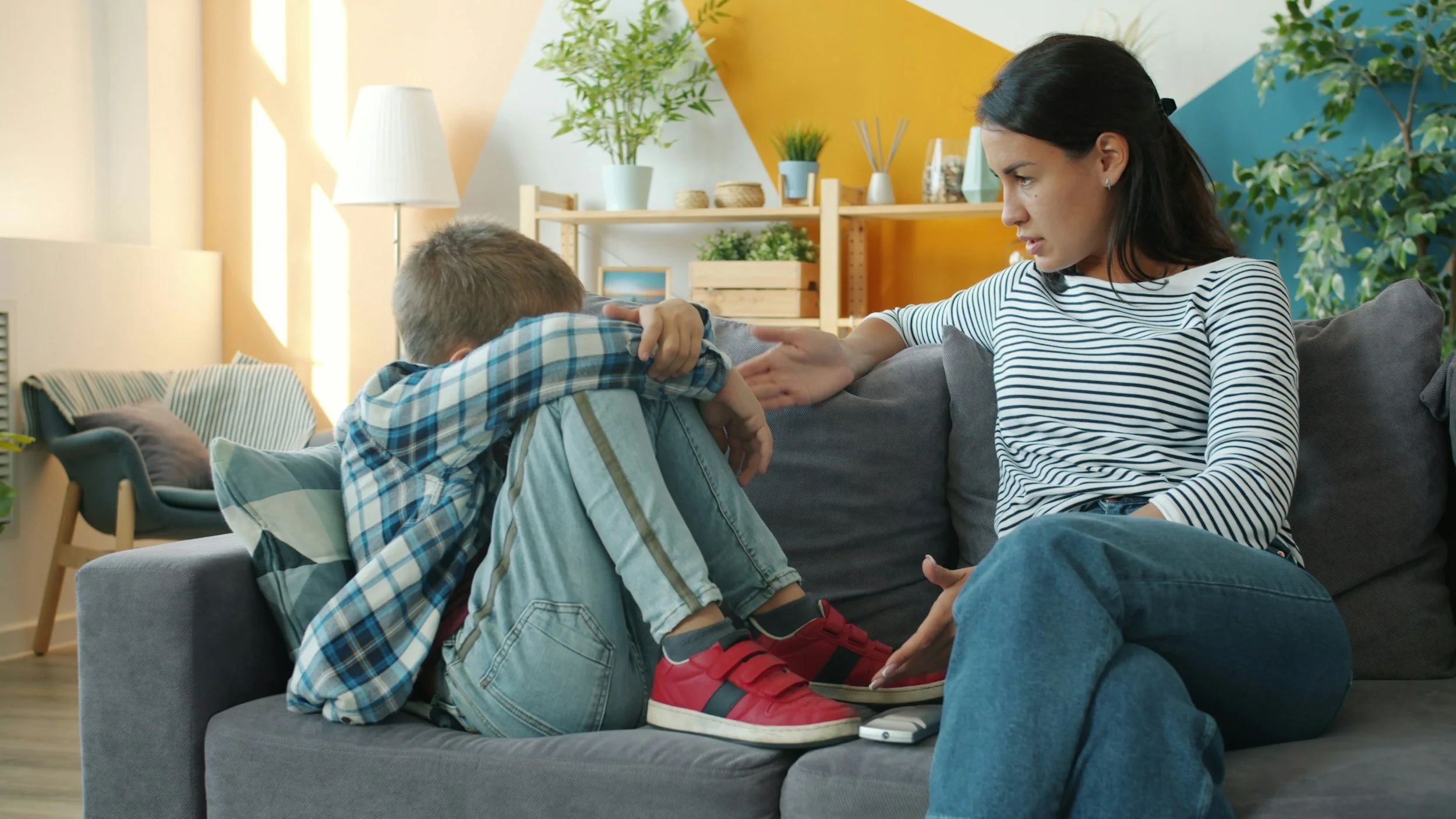
Friendships and Conflict

Self-doubt and Confidence
HERE I AM uses research-based explorations to help kids practice the skills that matter most — how to handle a big feeling, how to ask for what they need, how to set a limit, how to make things right after something goes wrong. All of it happens while building connection with an equine partner.
Real skills, learned by doing — not by talking.
Here I Am · Youth Program
Where we begin.
What's my brain got to do with it?
Have you ever wondered why you sometimes freeze up, explode with anger, or just want to hide when things get hard? It's not because something is wrong with you — it's your brain doing exactly what it was built to do.
We'll imagine our brain having three parts that work as a team.
Together, these parts are constantly reading signals from our body and the world around us, asking one question: am I safe right now?
Understanding how your brain and nervous system work together is your footing — it's the ground you stand on. Once you know what's driving your behavior, everything starts to make more sense.
Which leads to →
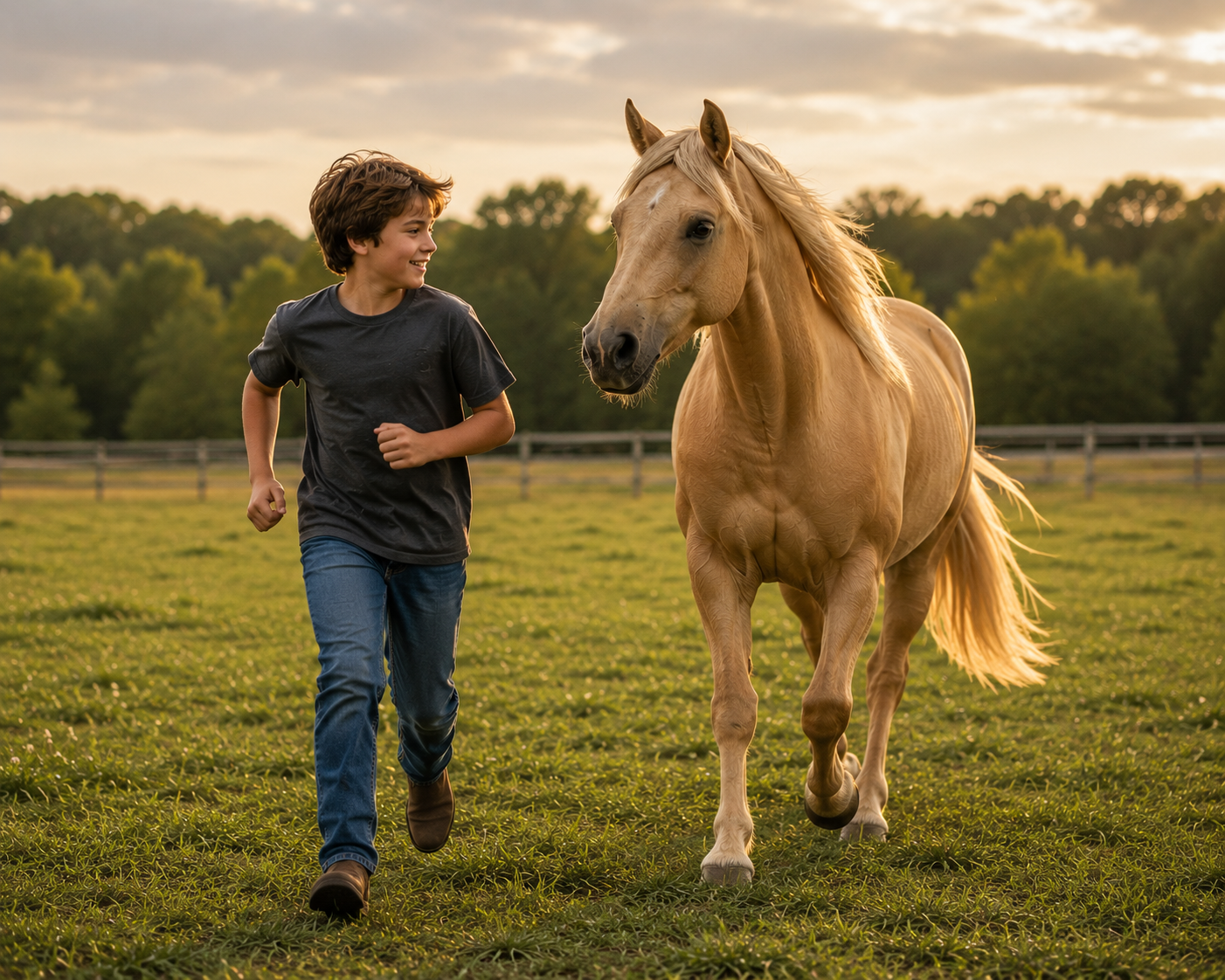
Finding Your Stride is where they take what they've learned about their footing and explore new skills as they practice building a real relationship with their selected horse.
What kids practice with the horse connects directly to what happens at school, at home, and with friends.
Which prepares them for →
Taking the Lead isn't about being in charge. It's about discovering that you were capable of leading yourself all along — and that a deeply connected and authentic relationship is possible when you do.

FAQ
-
Not at all — and honestly, it's pretty common. We start slowly and follow your child's pace. Horses are naturally wired for connection, and most kids find the experience surprisingly calming once they're actually in it. If your child has a specific worry, just let us know before the first session and we'll be ready for it.
-
No — there is no riding in any part of this program. All activities are done on the ground. Your child will be working alongside horses, not on top of them — talking to them, making requests, setting limits, and building a real relationship.
-
Yes. We want parents involved — not just as observers, but as partners in this work because they are 100% the solution! Skills practiced in sessions carry over into daily life at home, and that happens best when families are learning the same things together. We'll figure out the right setup for your child when we talk before the first session.
-
Completely fine — and the two often work really well side by side. What we do is learning-based, not therapy, so there's no overlap or conflict. That said, we want to ensure the best possible fit before your child begins. During the intake conversation, we'll talk through your child's needs, what they're working on, and whether our approach is the right match. If it isn't, we'll do our best to help you find what is.
-
That's worth paying attention to. A child who arrives completely against the idea usually doesn't get much out of it — and we'd rather wait. If they're hesitant but curious, that's usually enough to start with. Suggesting one visit with no strings attached often works. The horses tend to handle the rest.
-
Our sessions aren't lessons or talks — they're something better.
Welcome & Check-In
We start by slowing down. A simple check-in — how are you arriving today? — before heading into the barn. This is where kids begin learning what it means to really show up.Watch Before You Move
Before any contact with the horses, we stop and look. What do you notice? What might the horse be feeling? This builds the habit of reading a situation before jumping in — one of the most useful skills there is.Practice With a Horse
With a horse as a partner, kids practice real skills — asking for what they need, knowing when to hold a limit, staying calm when something doesn't go as planned, or figuring out how to try again after something goes wrong.Reflect & Close
We close by taking time to say goodbye to our equine partner and reflect on what we noticed, what may have surprised us, and how it might show up at home or school. Kids may take home a simple activity sheet. -
Asking for What You Need
Kids practice making a clear, kind request — and staying open to the answer. They learn that how you ask matters as much as what you're asking for.Working Through Conflict
When things don't go as planned, kids practice staying present — not melting down, not going quiet — and finding a way through.Holding a Limit
Saying no — and meaning it. Kids learn that they can be clear and kind at the same time, and that holding a limit doesn't have to turn into a fight.Staying Calm Under Pressure
When things get hard, unexpected, or frustrating — kids practice keeping it together long enough to make a good choice, instead of just reacting.Making Things Right
Relationships don't need to be perfect. They need someone willing to try again. Kids practice exactly that — the skill of coming back after a hard moment. -
Personal Space
"How close feels okay?"
Kids practice noticing when they feel comfortable — and when they don't — and learn to say so. With a 1,000-pound horse as a partner, this becomes very real, very fast. And very useful everywhere else in life too.Asking First
"May I?"
Before touching or making a request of the horse — we connect— then ask. Kids learn the habit of checking in before acting, learn to read the answer, then proceed.Starting and Stopping
"I can begin — and I can stop."
Kids practice starting something, pausing in the middle, and ending it — on their terms. This builds a sense of confidence that they have a say, even when they're in a relationship with someone bigger than them. -
HERE I AM is a learning program, not therapy. Sessions are not about digging into a child's past or working through trauma. The focus is on building real skills through real experience. If your child also needs clinical support, we are glad to help you find the right fit — and the two can often work well together.